Employment conditions in India improved in the July–September 2026 quarter. The Ministry of Statistics and Programme Implementation (MoSPI) released the Periodic Labour Force Survey (PLFS) quarterly bulletin for July–September 2026 on 10 November 2026, putting the unemployment rate at 5.1 per cent for people aged 15 and above — down from 5.4 per cent in April–June 2026 and 5.2 per cent a year ago.
Key figures at a glance
The main indicators for the quarter were:
| Indicator | April–June 2026 | July–September 2026 |
|---|---|---|
| Unemployment rate (total) | 5.4% | 5.1% |
| Rural unemployment rate | 4.8% | 4.3% |
| Urban unemployment rate | 6.7% | 6.8% |
| Labour force participation rate | 54.6% | 55.5% |
| Worker population ratio | 51.7% | 52.7% |
| Female labour force participation | 33.2% | 34.7% |
A year ago, the unemployment rate was 5.2 per cent and the labour force participation rate was 55.1 per cent.
Rural India drove the improvement
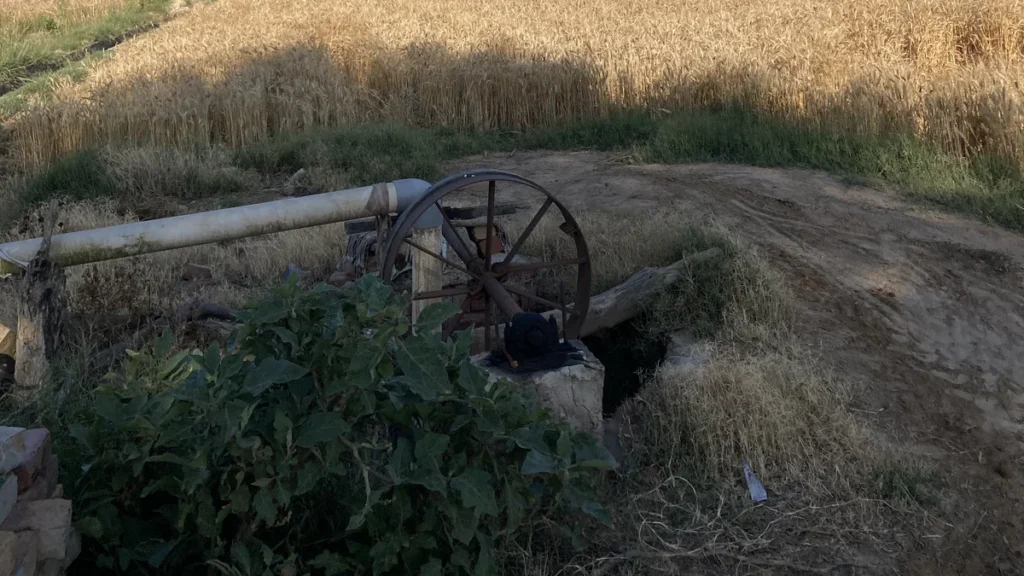
Rural India accounted for most of the improvement this quarter. The rural unemployment rate fell from 4.8 per cent to 4.3 per cent, while the rural labour force participation rate rose from 56.9 per cent to 58.1 per cent and the worker population ratio increased from 54.2 per cent to 55.6 per cent. The share of workers engaged in agriculture rose from 52.9 per cent to 56.7 per cent. Reports note that much of the rural gain tracks the kharif harvest season, so part of the improvement reflects seasonal farm work.
Big jump in women’s participation
This was a notable quarter for women. The female labour force participation rate rose 1.5 percentage points in a single quarter, from 33.2 per cent to 34.7 per cent, while the share of working women increased from 31.3 per cent to 32.8 per cent. In other words, more women are both looking for work and finding it.
Cities broadly unchanged
Conditions in urban areas were almost unchanged. The urban unemployment rate edged up slightly from 6.7 per cent to 6.8 per cent, while the urban labour force participation rate rose from 50.2 per cent to 50.4 per cent. The overall improvement, therefore, came from rural India.
What this means for Haryana’s youth
Several Haryana Government schemes are running for the state’s young people. Under the Berojgari Bhatta Yojana, Class 12 pass candidates get Rs 1,200 a month and graduates get Rs 2,000 a month; applications opened on 1 November. The Saksham Yuva Yojana offers a Rs 3,500 allowance and a Rs 6,000 honorarium. For those interested in startups, the figures from National Entrepreneurship Day are encouraging — India has 2.62 lakh recognised startups. Young people looking for government jobs can also see the PNB RSETI recruitment — four posts, applications open till 23 November.
What is PLFS and how to read the numbers
PLFS is the country’s largest government survey of employment and unemployment, run by the National Statistics Office (NSO). After the methodology changed in January 2025, this is the sixth quarterly bulletin. This quarter’s estimates are based on a survey of 5,55,593 people, including 3,16,683 from rural areas and 2,38,910 from urban areas. According to the survey, an average of 57.9 crore people were employed during the quarter. These are sample-survey estimates, so small changes should be read with caution. Haryana’s detailed figures can be seen in the full bulletin available on MoSPI’s website.
Frequently Asked Questions
1. What is PLFS?
PLFS stands for Periodic Labour Force Survey, the NSO’s main employment survey for the country — how many people are working and how many are looking for work.
2. What does a 5.1% unemployment rate mean?
It means that out of every 100 people in the labour force (aged above 15 years), 5.1 were looking for work but did not find it.
3. Why did rural unemployment fall while urban unemployment rose slightly?
Rural unemployment fell from 4.8% to 4.3% on the back of farm-season work, while urban unemployment edged up from 6.7% to 6.8%. The overall improvement came from rural India.
4. How many people were surveyed for this bulletin?
The quarterly estimates are based on information collected from 5,55,593 people surveyed, including 3,16,683 in rural areas and 2,38,910 in urban areas.
5. Where can I read the full PLFS bulletin?
The full quarterly bulletin is available on the MoSPI website — see the Next Action link below.
Sources: MoSPI/NSO PLFS Quarterly Bulletin July–September 2026; Business Standard; The Economic Times; DD India
Photo: Chparveshtaak, via Wikimedia Commons (CC BY-SA 4.0)
Next Action: Read the full PLFS bulletin on the MoSPI website